En las últimas décadas, los clubes de fútbol europeos han dejado de ser vistos como activos comunitarios o proyectos personales para convertirse en empresas cada vez más sofisticadas. Los ingresos de los principales clubes han crecido mucho más allá de la venta de entradas, abarcando acuerdos de retransmisión a largo plazo, patrocinios globales, comercialización y estadios que operan durante todo el año.
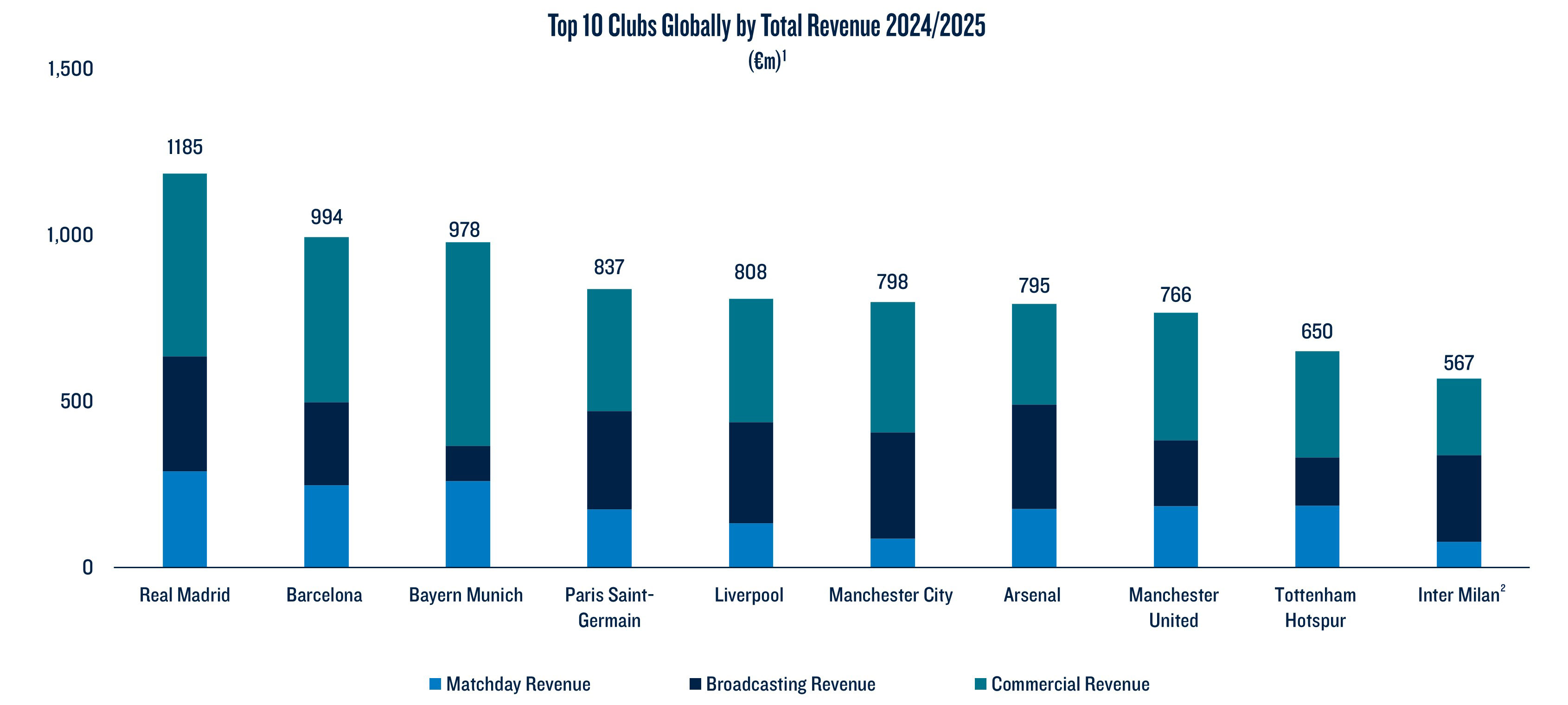
En este artículo, analizamos cómo el crecimiento del fútbol ha brindado una oportunidad a los prestamistas de crédito privado capaces de evaluar la complejidad y estructurar operaciones en torno a activos o flujos de ingresos específicos. En lugar de desplazar a los prestamistas tradicionales, estos proveedores de crédito privado suelen trabajar junto a los bancos para complementar su oferta con soluciones de capital flexibles y a más largo plazo. A medida que el deporte sigue ampliando su alcance global y su sofisticación estructural, los proveedores de capital equipados para navegar por las complejidades del sector podrían estar bien posicionados para brindar un apoyo financiero crucial.
«Los prestamistas institucionales se han vuelto cada vez más fundamentales en la financiación deportiva, aportando capital flexible y a largo plazo a un sector que ha crecido en escala, complejidad y escrutinio. La capacidad del crédito privado para invertir en todo el espectro crediticio, estructurar soluciones a medida y respaldar tanto la financiación de clubes como la de estadios se alinea estrechamente con las necesidades financieras cambiantes del sector». Josh Shipley, Managing Director y Jefe de Crédito Privado
Para obtener más información, descargue el documento a continuación
1 Informe y cuentas del club. Se asume un tipo de cambio de 1 £ = 1,15 € para los ingresos reportados en GBP
2 Ingresos totales del Inter de Milán – Club, desglose estimado de ingresos – Statista y Deloitte Money League
Casos de éxito


Conoce al equipo